154. Braille’s dots are equivalent to Gutenberg’s printed words. Both brought knowledge to the wider world.
Communicating for blind people has been a long road against many head winds but has also enjoyed regular improvements and extensions.

For hundreds of years blind children were dispatched to special schools where they were taught the ‘blind trades’ of basket weaving and brush/broom making.

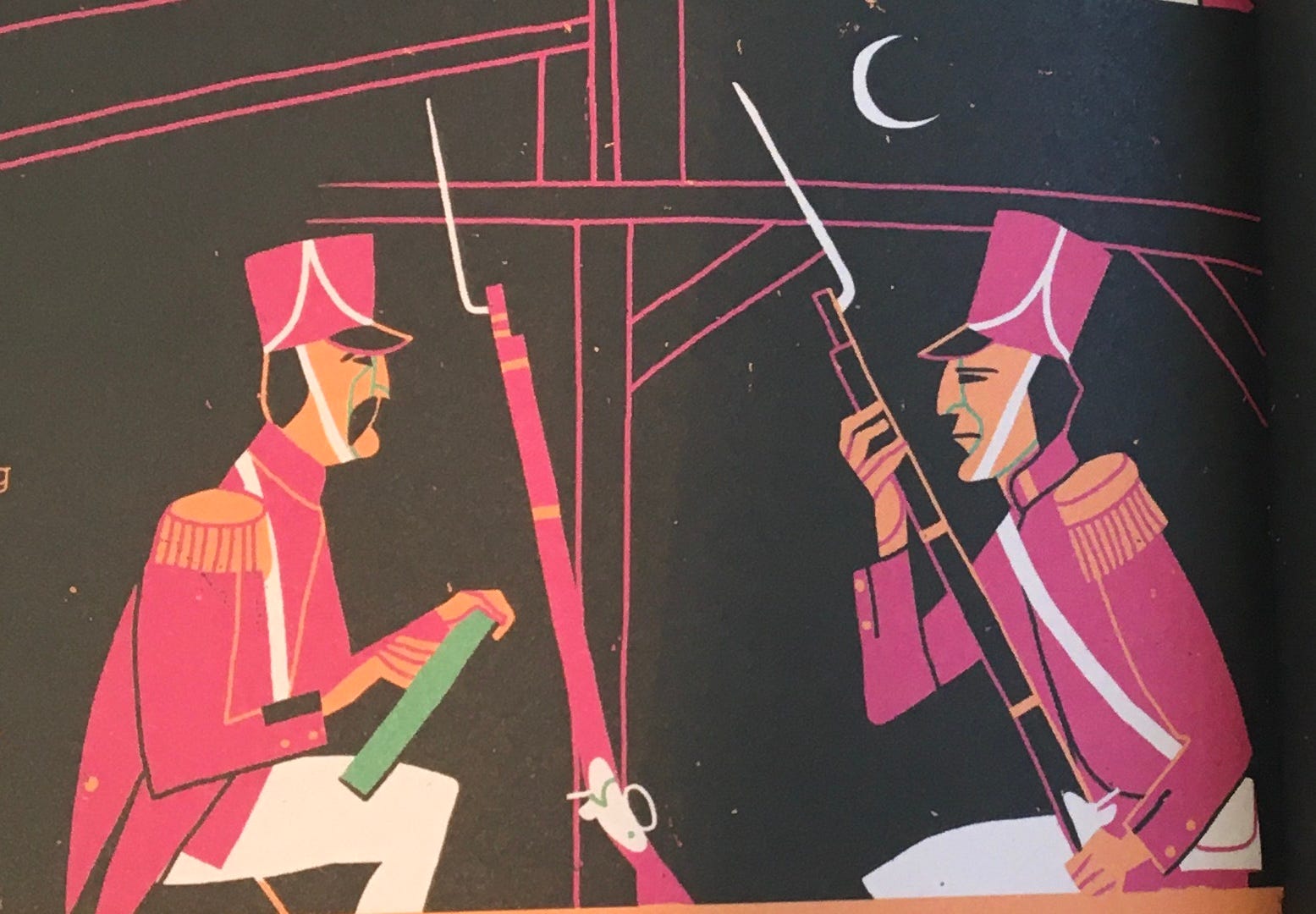
But creative thinking brought a dramatic change. During the Napoleonic Wars (1803-1815) French soldier Charles Barbier invented a system of raised dots and symbols on paper to convey by touch his simple instructions to his troops: “move left” or “advance’ when it was too dangerous to show a light at night. Soldiers used their fingers to read Barbier’s commands.
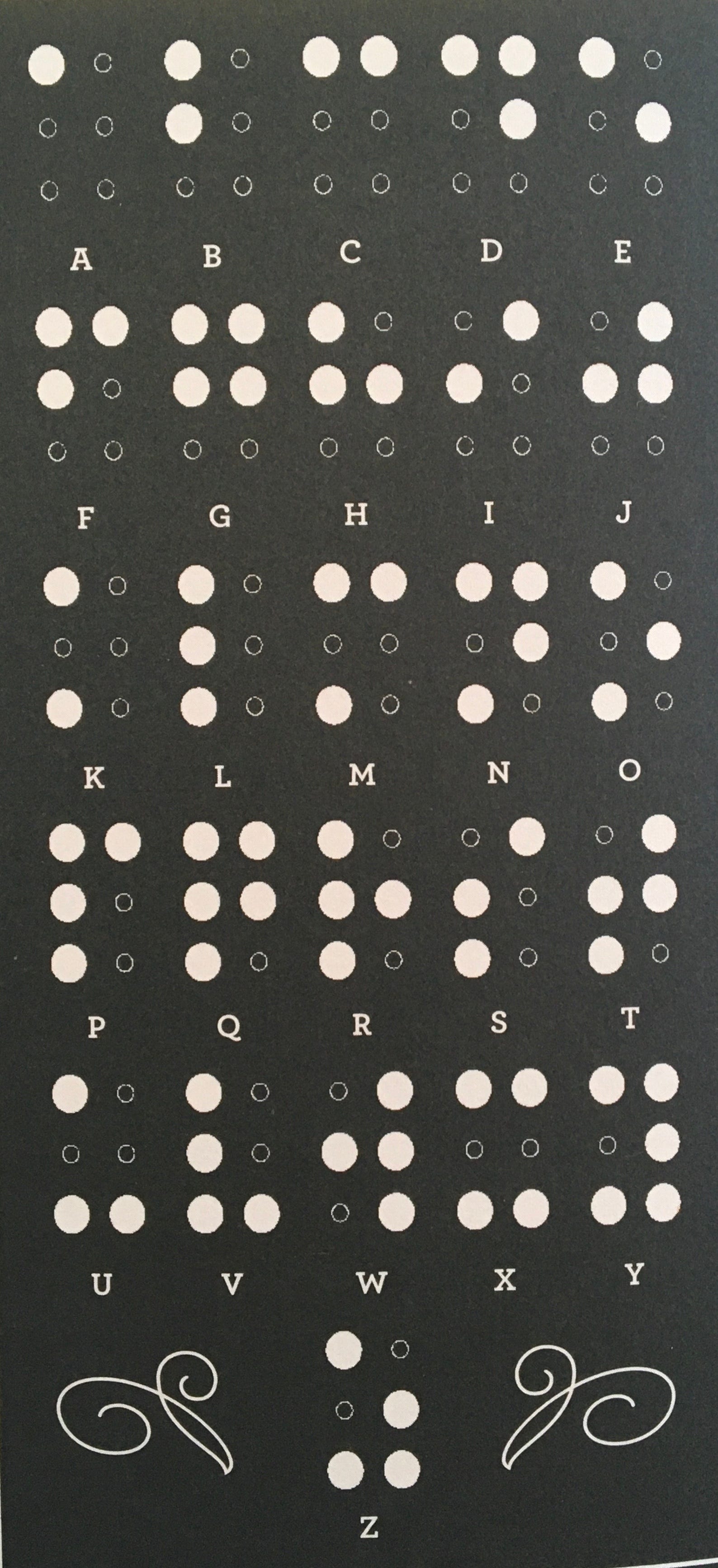
Louis Braille (1809-1852) was a French school teacher and amateur inventor. He developed an A-Z alphabet by arranging six raised dots in specific positions.
The braille system was not enthusiastically adopted during Braille’s lifetime. Indeed, Dr Alexandre Pignier, headmaster at the Royal Institute for Blind Youth in Paris, was dismissed from his post after he had a history book translated into braille.
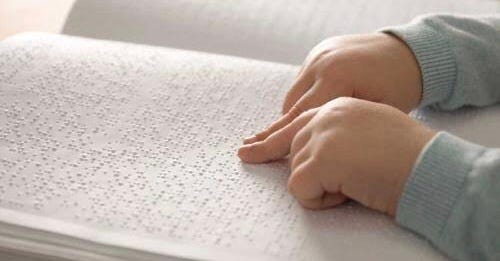
Modern braille has been adapted and extended to include musical sheet music, arithmetic and scientific terms, science symbols, even email transmissions. A mechanical typewriter will emboss the page with braille dots as the typist writes.
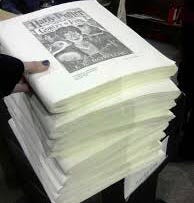
Blind kids can get the full set of Harry Potter books in braille. But one Potter book can be a tall stack of pages.
#####BM
SubStack Report #154. My other reports are here > BrianMorris.SubStack.com
Footnote: If you know someone who is blind, or who teaches blind children, or anyone who could benefit from knowing more about braille, please forward this report to them. Make it your good deed for today.